



DESKTOP
1440 <
991 >
767 >
478 <
Welcome
Welcome to my planet

Nice to meet you!

“I work in Human-Computer Interaction, with a focus on designing products that support human creativity and holistic well-being.”

Bella Chen

Born in 2000

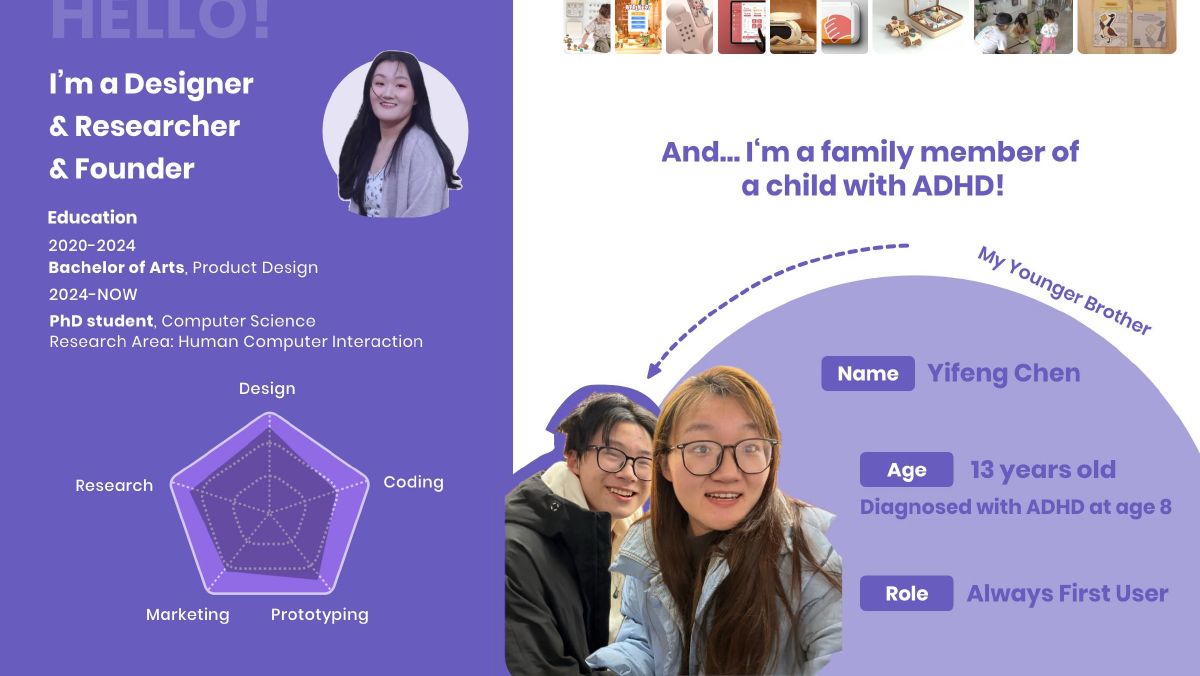
Hi, My name is Bella Chen

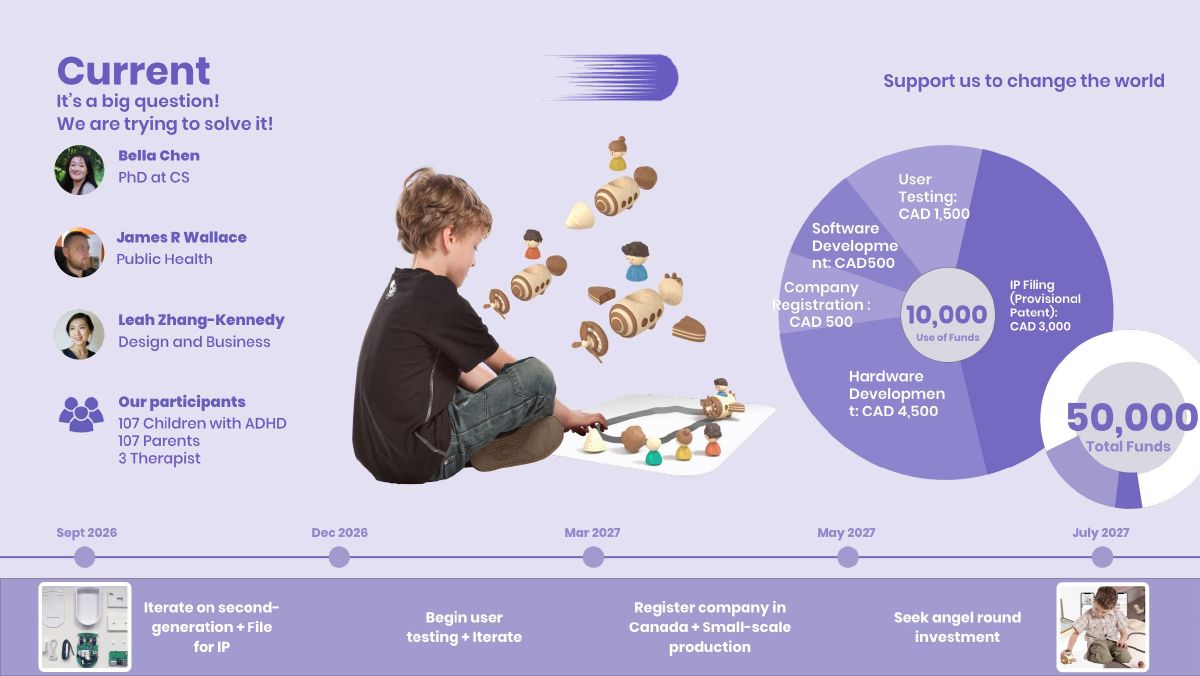
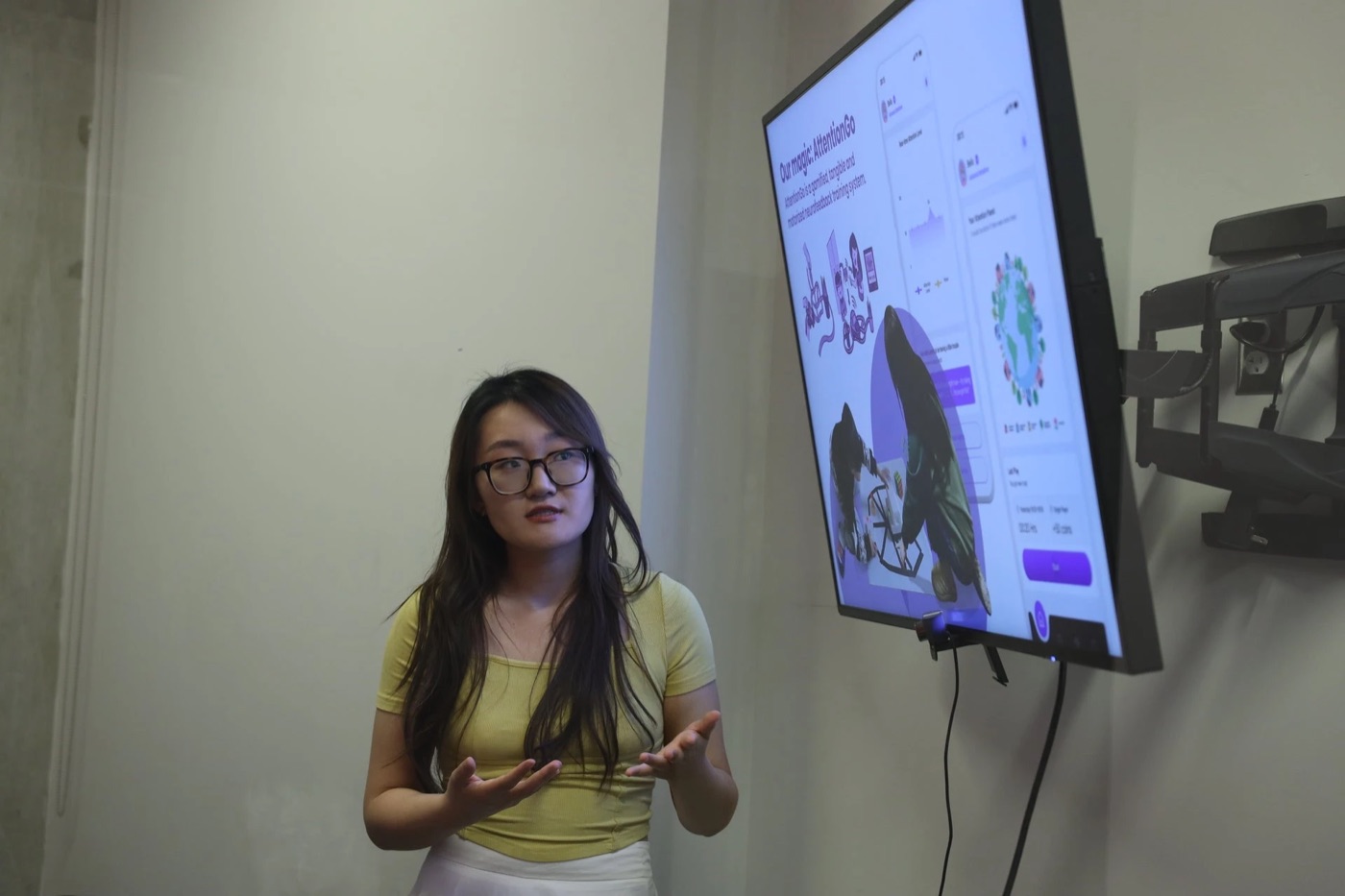
I am a second-year PhD student in Computer Science at the University of Waterloo, admitted through the direct-entry PhD program. My research is in human-computer interaction (HCI), focusing on designing products that support creativity and holistic well-being. My co-supervisors are Prof. James Wallace of the Health+HCI Lab and Prof. Leah Zhang-Kennedy of the Safe Interactions Lab. My thesis-based project, which focuses on designing future brain-computer interfaces for children with ADHD, has been selected for the Academy of Research Commercialization Scholarship ($10,000 CAD) and the Velocity Outstanding Validation Award ($500 CAD). Read the news story.

I have served as a reviewer for computing conferences, including SOUPS ’24, SOUPS ’25, and DIS ’26.

I hold a Bachelor's degree in Product Design from Shandong University and have seven years of training in art and design. In 2022, I worked as a Research Intern at the Institute for AI Industry Research (AIR), Tsinghua University.

Full-time Research Experience

Designing Tangible Brain-Computer Interfaces for Children with ADHD

Human-Computer InteractionHealth

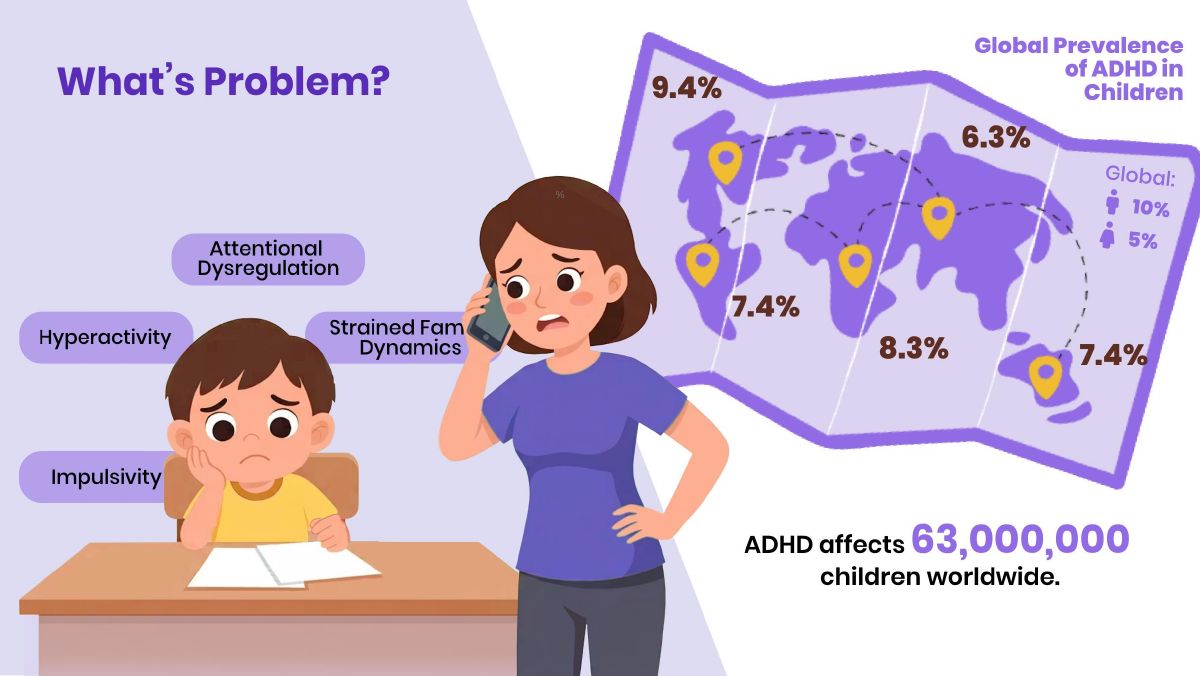
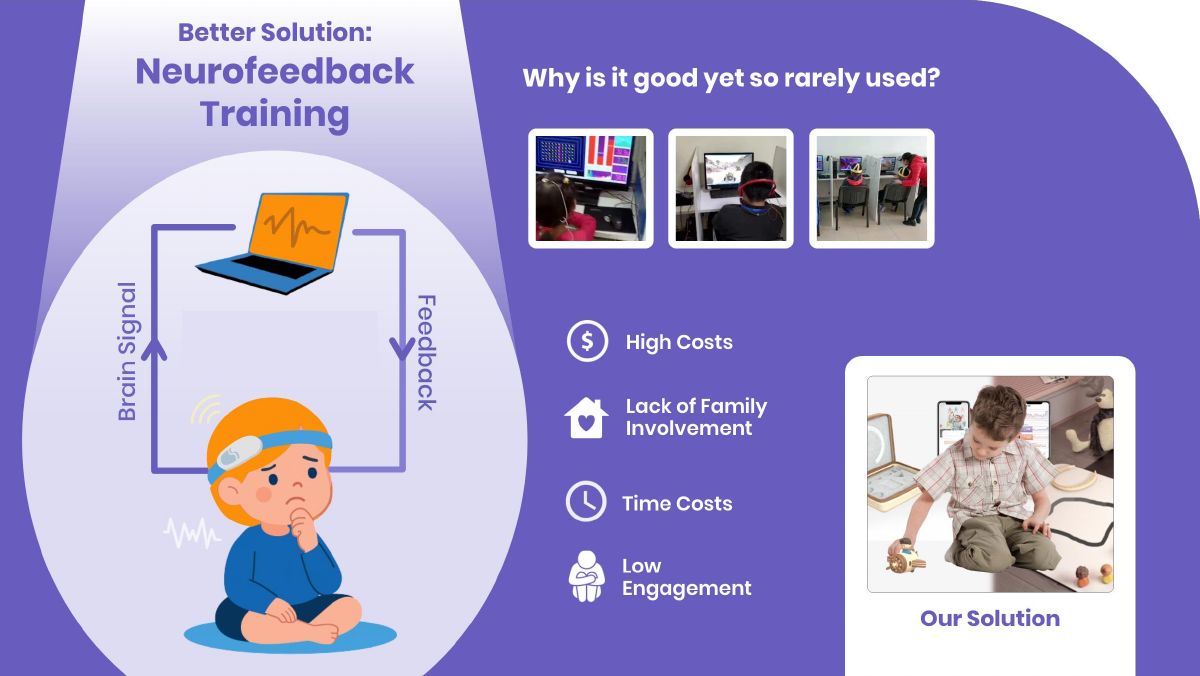
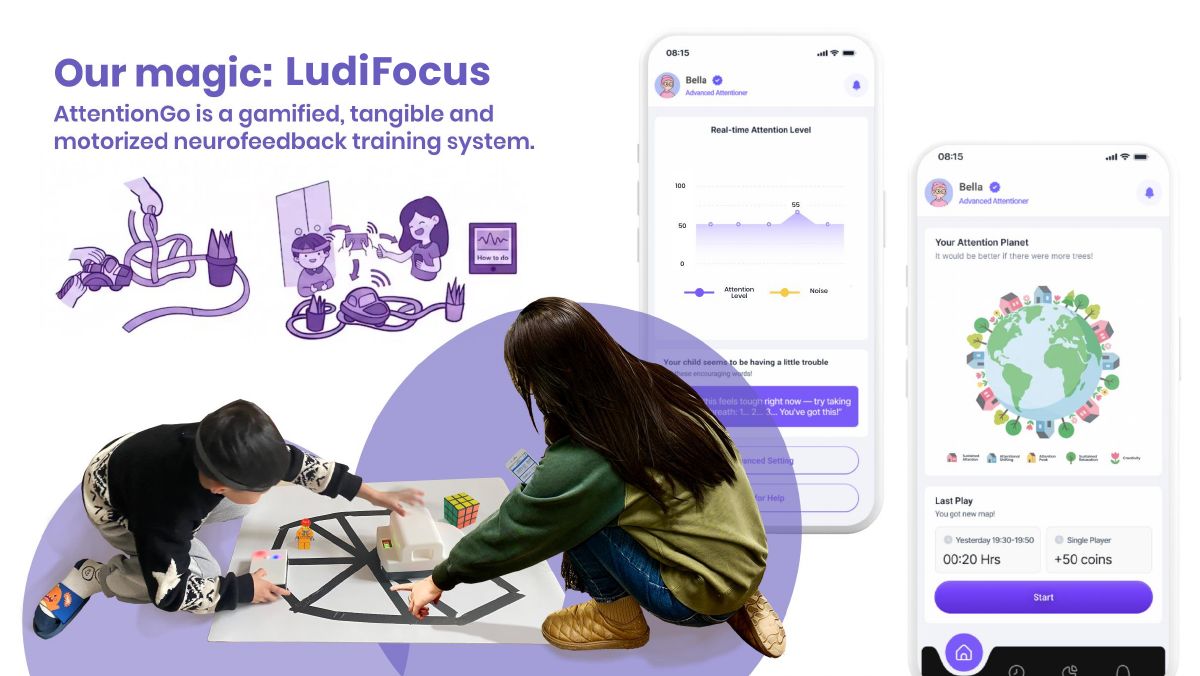
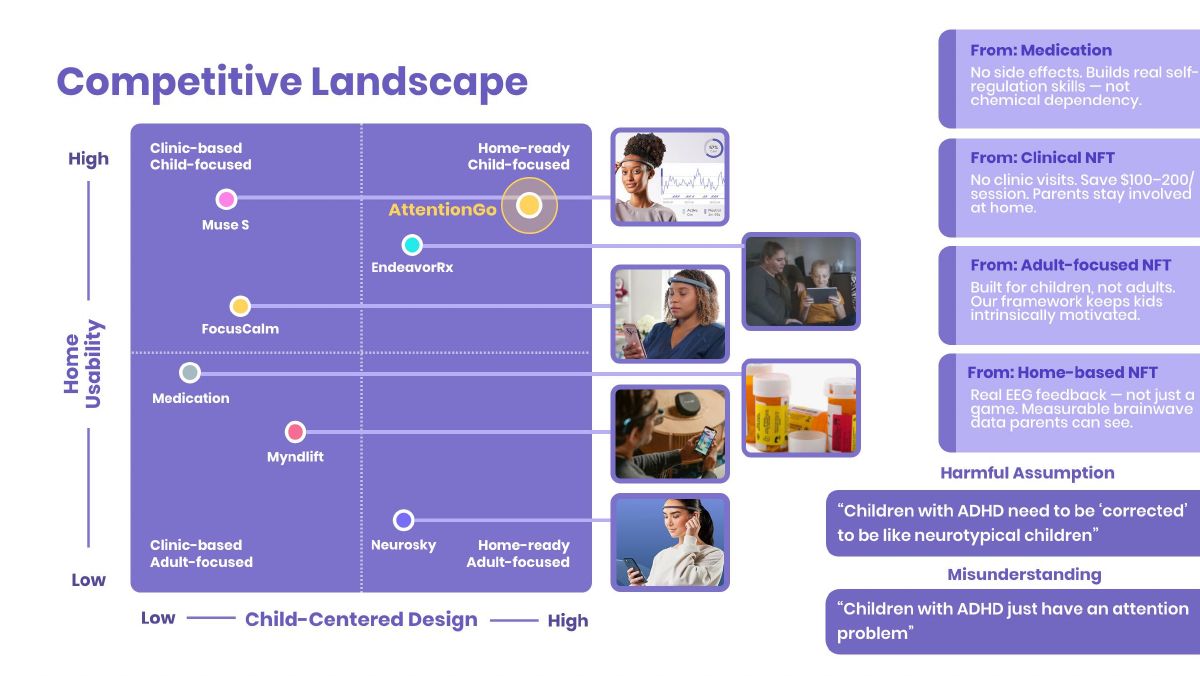
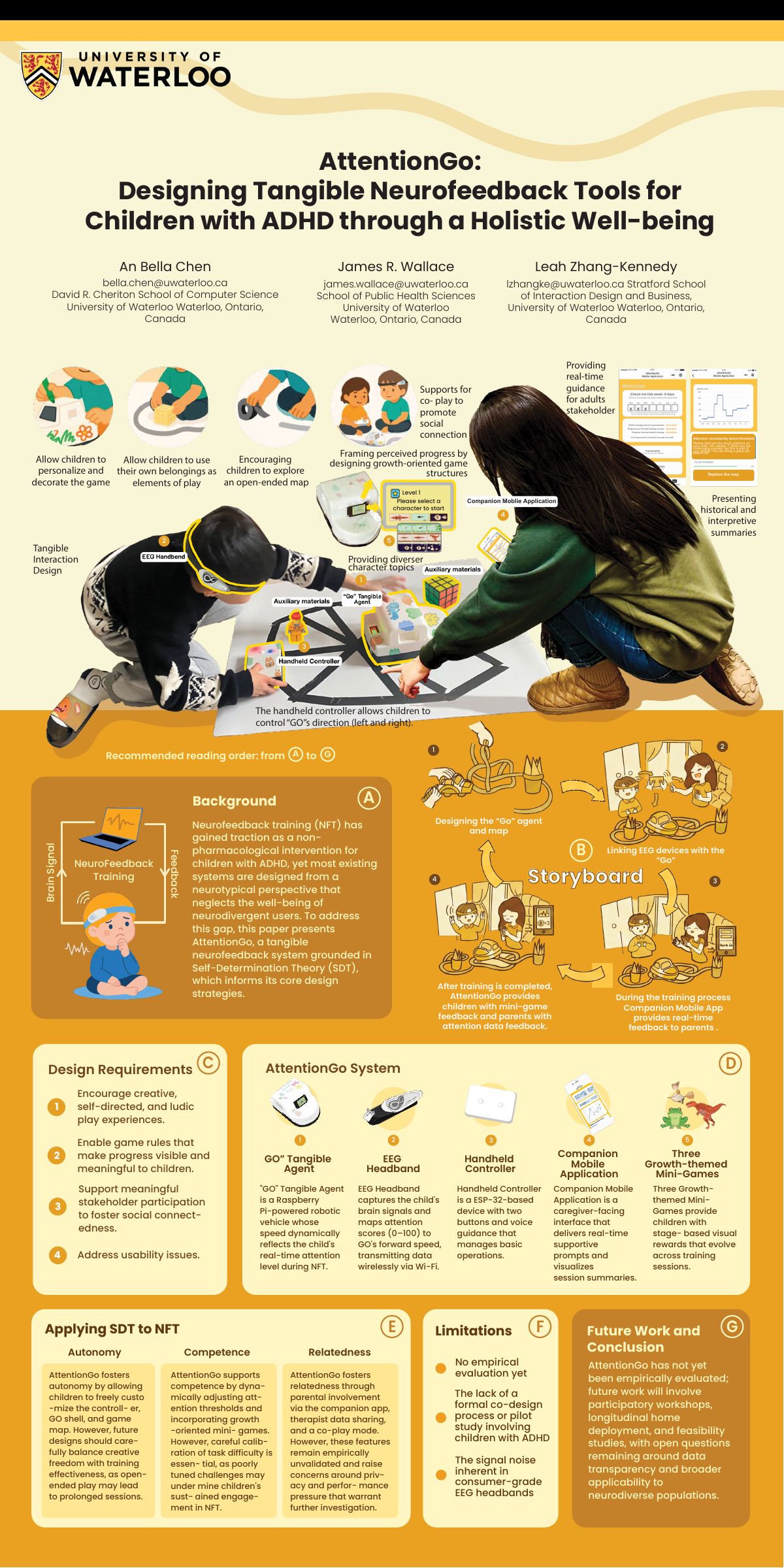
Neurofeedback is a promising method for attention training in children with ADHD. In this work, we developed a neurofeedback game called AttentionGo, incorporating creativity to enhance motivation. After consulting instructors, parents, and testing with ADHD children, the game demonstrated great potential for future design improvements.

Details
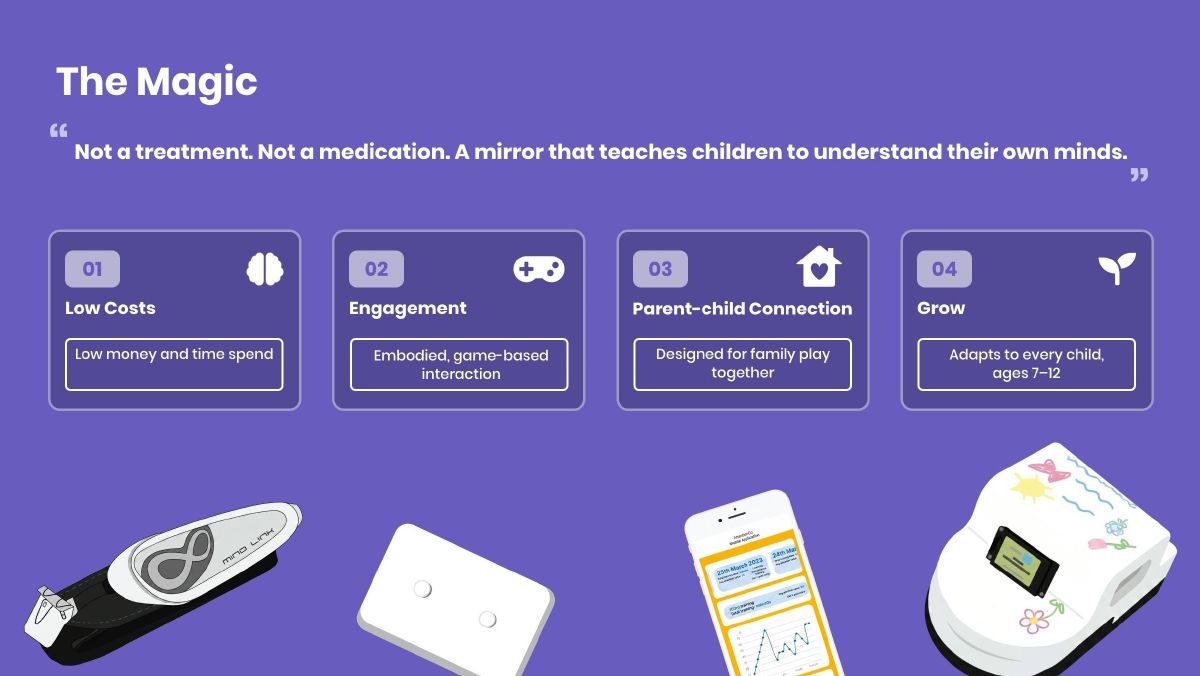
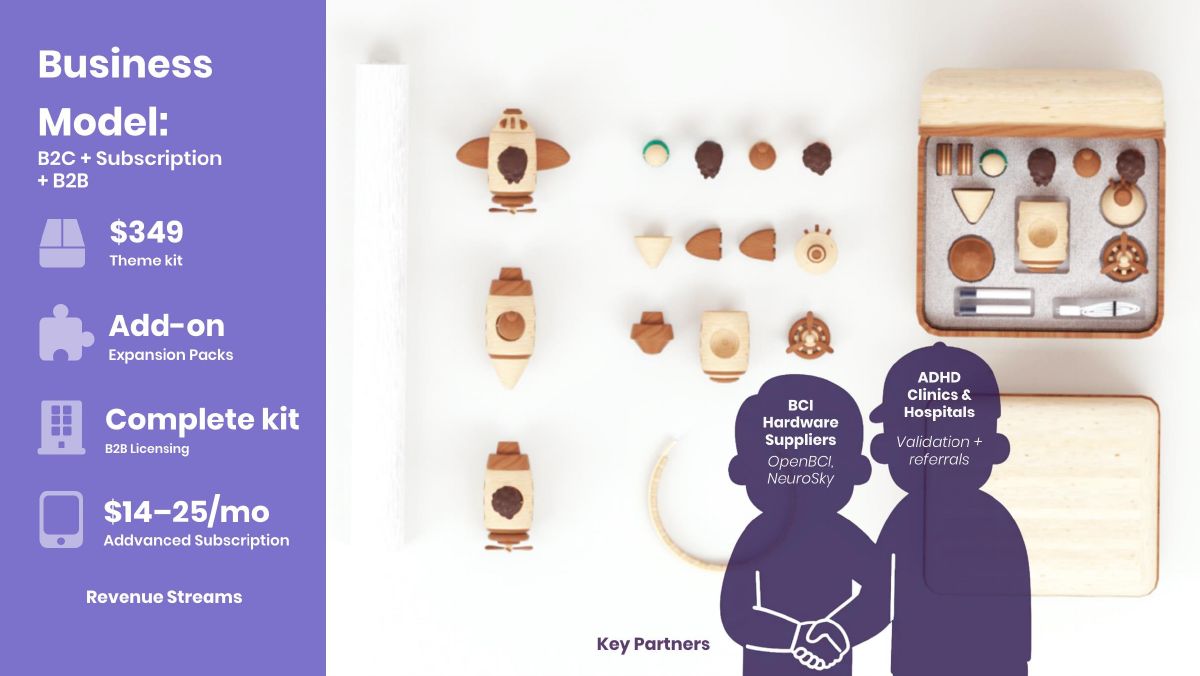
  • Turned the research into a startup, AttentionGo (Co-founder & CEO). Led the design of a brain-computer interface system consisting of an EEG headband, custom physical devices, and a parent app; led the team through rapid MVP iterations; admitted to the Accelerator Centre, Canada's top-ranked private incubator.
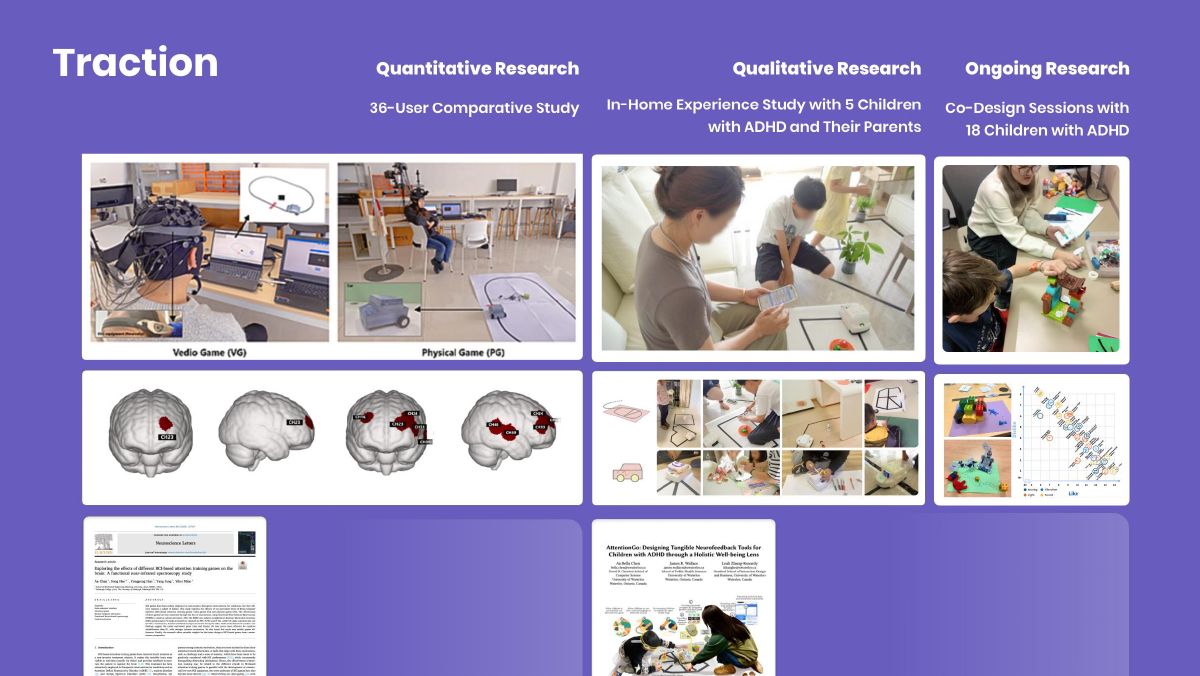
  • Independently recruited 18 families of children with ADHD, ran 33 participatory design workshops with children, and conducted parent interviews and surveys.
  • Analyzed workshop and interview data with reflexive thematic analysis (RTA) and proposed 7 child-centered design guidelines for brain-computer interfaces to guide prototype development.
  • Wrote a first-author paper, currently under review at CHI '27.

Publications

Communicating Privacy through Stories, Comics, and Social Robots

Human-Computer InteractionPrivacy and SecurityArtificial Intelligence

PrivacyToon. Privacy concepts are abstract and hard to explain, so we built PrivacyToon, a comic-based authoring tool that uses concept-driven storytelling and ideation cards to help people create their own privacy stories. A study with 23 students and teachers showed its potential as a creative tool for communicating privacy.

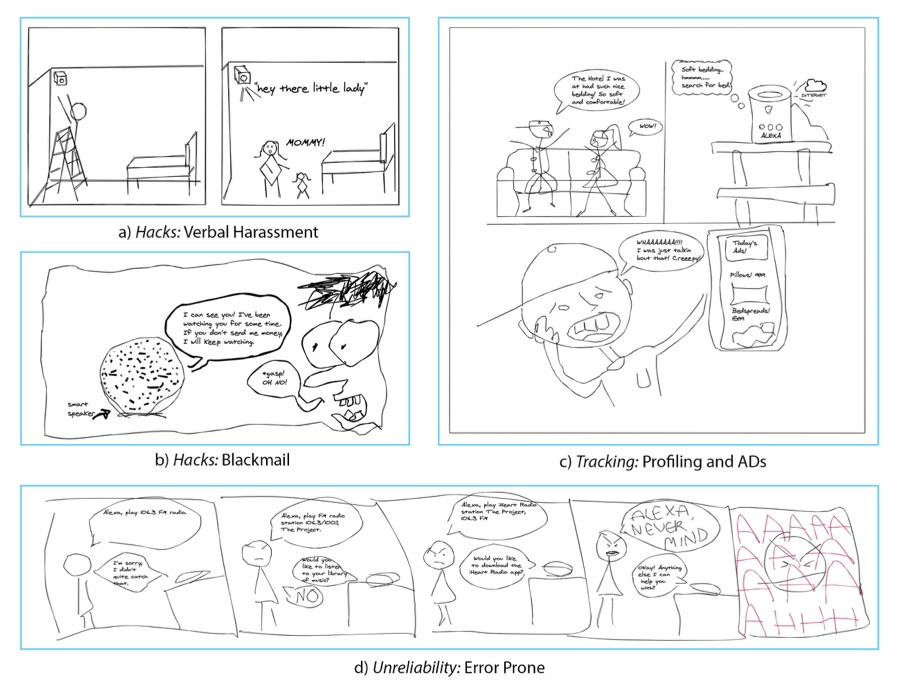
Folk Tales of IoT. Building on the stories people share, we surveyed 263 participants about anecdotes that shaped their views of smart home IoT devices. Negative stories about security, privacy, and unreliability lowered trust and use, while positive stories about home safety and quality of life raised interest.

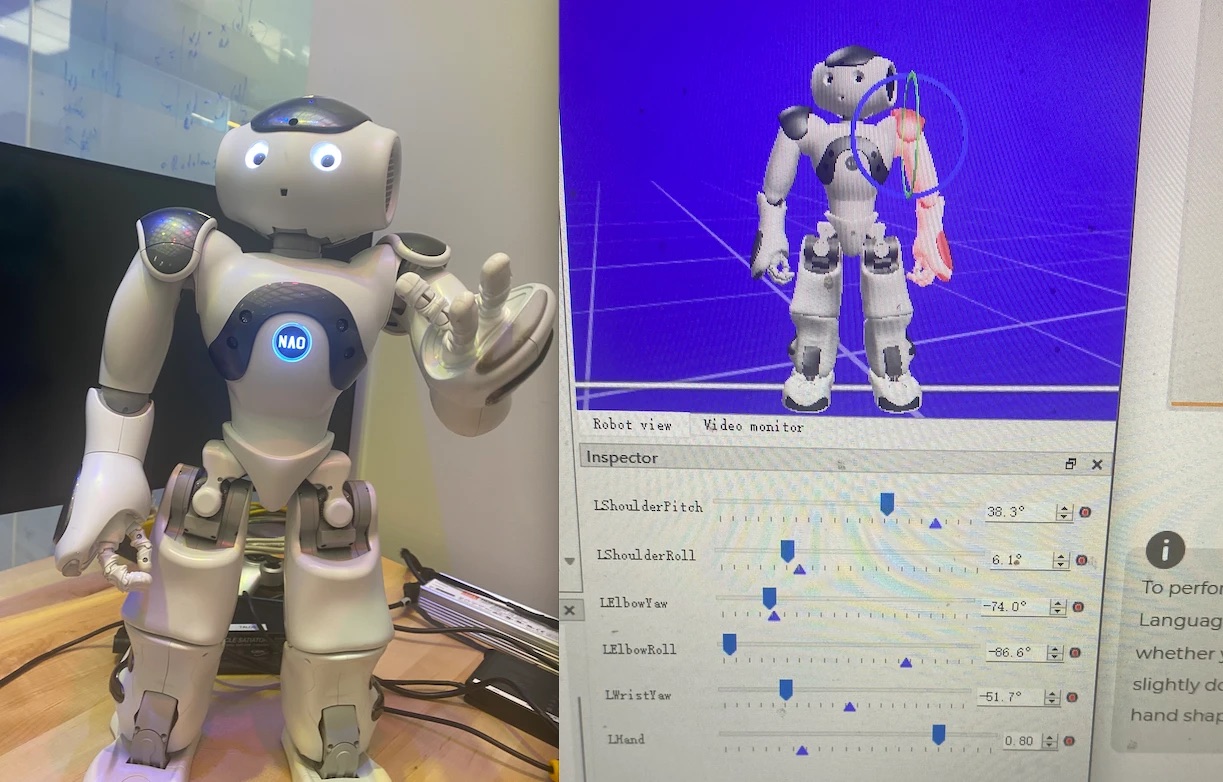
Child-Robot Privacy. With 38 parent-child dyads interacting with the NAO robot, we found that how likable, smart, and trustworthy children found the robot shaped their willingness to share secrets. Parents were more concerned about data collection, storage, and transfer, preferring supervised and transparent interactions.

Details
  • Developed interaction programs for the NAO robot in Python, implementing speech and motion control.
  • Conducted quantitative and qualitative analysis of 300+ survey responses; the results were published at CHI '25 (third author).

Publications

Exploring the Design Space of a Technology-Mediated Calm-Down Corner

Human-Computer InteractionHealth

Preschool educators play a key role in helping children manage emotions, but it's challenging to track emotional changes and intervene for every child in a class. This study explores how technology can support educators using "calm-down corners" through interviews and co-design sessions with 22 preschool educators. The findings highlight challenges and provide design insights for future technology-enabled systems to aid emotion regulation.

Details
  • Recruited 15 participants, wrote the interview guide, and ran 7 participatory design workshops.
  • Analyzed interview transcripts with open coding; published a second-author paper at CHI EA '24.

Publication

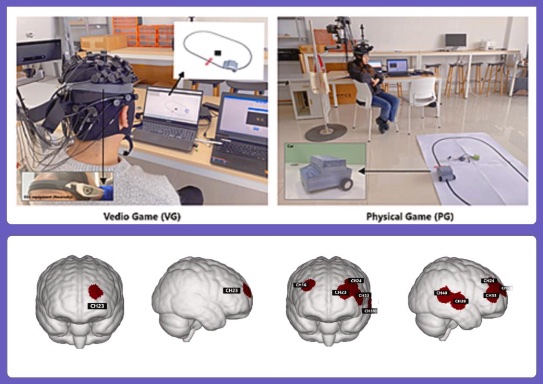
fNIRS study setup comparing a video game and a physical game, with brain activation maps

Cognitive Effects of Different Interaction Modalities in Brain-Computer Interfaces

Human-Computer InteractionHealth

This study compares the effectiveness of video games (VG) and physical games (PG) in BCI-based attention training, using fNIRS to monitor brain activation. Results show PG activates more brain regions and intrinsic motivation than VG, with notable gender differences. These findings provide insights for designing more effective BCI-based rehabilitation games.

Details
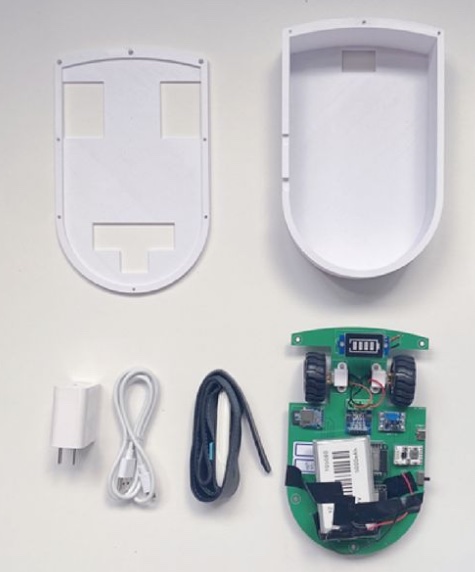
  • Developed two brain-computer interface prototypes: an Arduino-based brain-controlled smart car (physical interaction) and a Unity3D cognitive training app (digital interaction).
  • Ran a 40-participant controlled experiment using functional near-infrared spectroscopy (fNIRS), finding that the physical interface produced significantly greater activation in attention-related brain regions than the digital one.
  • Independently completed the quantitative analysis and published a first-author paper in the SCI journal Neuroscience Letters.

Publication

Side Research Projects

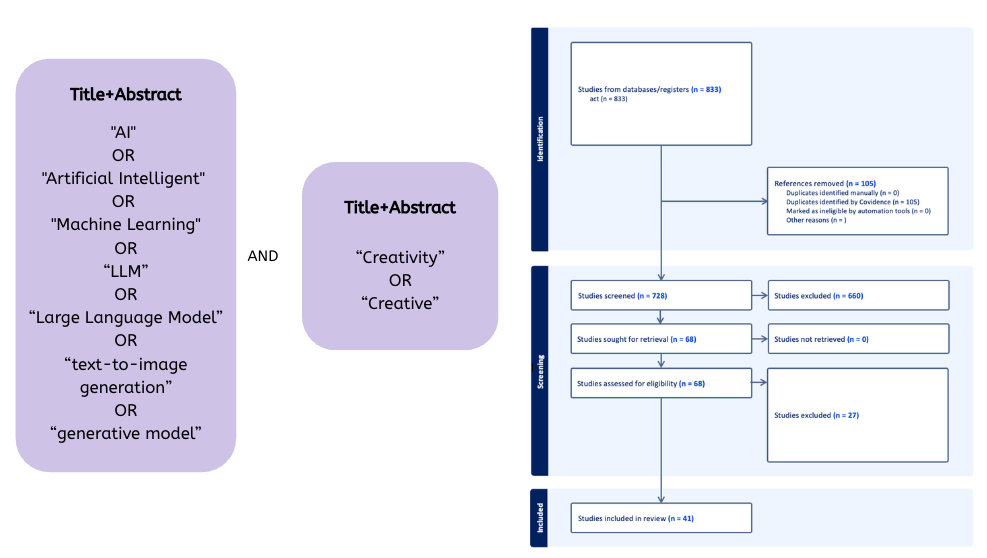
Search query and PRISMA flow diagram: 833 records identified, 728 screened, 68 assessed for eligibility, 41 included

2025.04 – 2025.09 · Leader · Side project in lab

A Scoping Review of Image GenAI Creativity Support Tools (CSTs) Designs

Human-Computer InteractionArtificial IntelligenceCreativity Support Tools

A scoping review of 728 ACM papers on how image generative AI is shaping the interaction design of creativity support tools.

View details
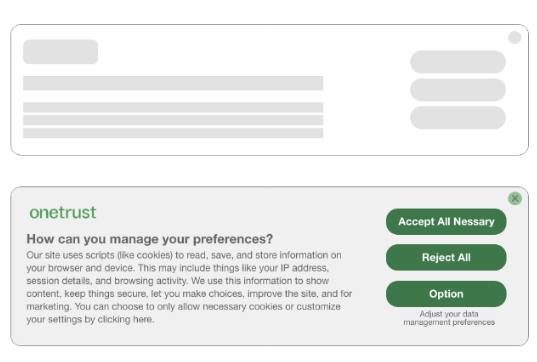
Two cookie consent banner designs: a grey wireframe layout and a OneTrust-style banner with Accept, Reject, and Option buttons

2024.09 – 2024.12 · Independent researcher · CS848 course project

Exploring and Improving the Design of Cookie Consent Interfaces to Enhance Privacy Protection

Human-Computer InteractionArtificial IntelligencePrivacy and Security

Why do people find cookie banners annoying? A two-part study evaluating nine consent interfaces and redesigning them to support clearer privacy decisions.

View details
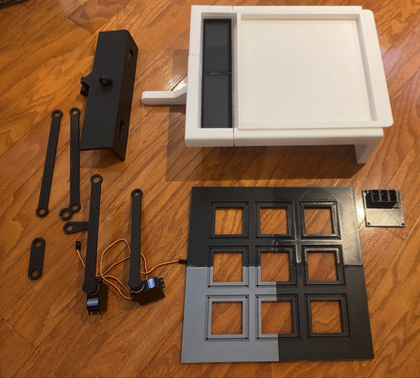
Prototype parts of the sound-to-marbling probe: a 3D-printed tray, a servo-driven arm, and a nine-cell grid

2025.02 – 2025.06 · Independent researcher · Course project

A Technical Probe to Preserve Sound and Experience

Human-Computer InteractionCreativity Support Tools

A technology probe that turns live music into colorful marbling patterns, so audiences can both hear the music and see its emotions take shape.

View details
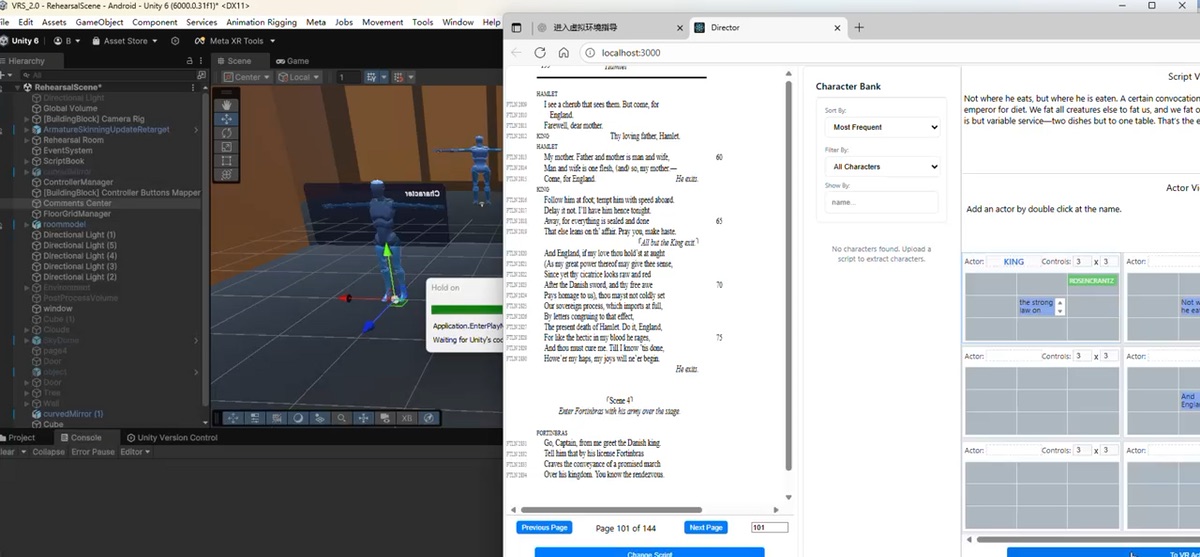
Unity VR rehearsal scene with avatars next to the web-based director console showing the script and actor controls

2025.01 – 2025.05 · Collaborator · Cross-lab collaboration

An Environment and Framework for Virtual Performance Practice

Human-Computer InteractionVirtual RealityCreativity Support Tools

A web-based director console and a Unity VR stage that let a director coordinate actors in different locations as they rehearse together in virtual reality.

View details
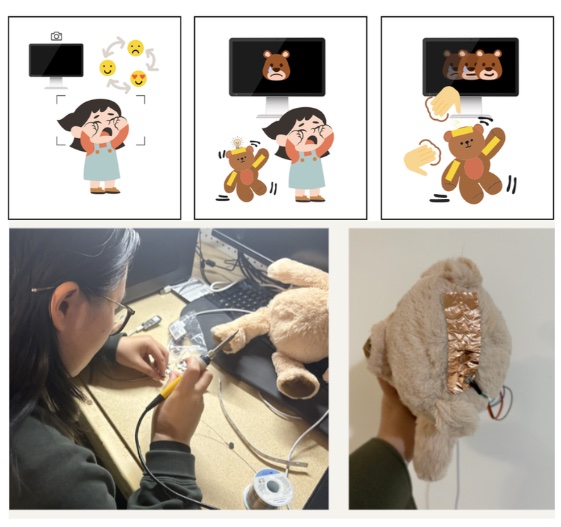
EMMO concept storyboard: a camera detects a crying child, a teddy bear on screen and in hand mirrors the emotion, and the child calms the bear by touch; below, the author soldering the prototype and the plush bear with a copper touch sensor

2025.01 – 2025.05 · Independent researcher · Course project

A Tangible System for Enhancing Emotion Regulation Education for Children

Human-Computer InteractionHealth

EMMO, a plush-bear system that recognizes a child's emotions and guides them through calming down with touch, light, and vibration, supporting emotion regulation education in kindergartens.

View details
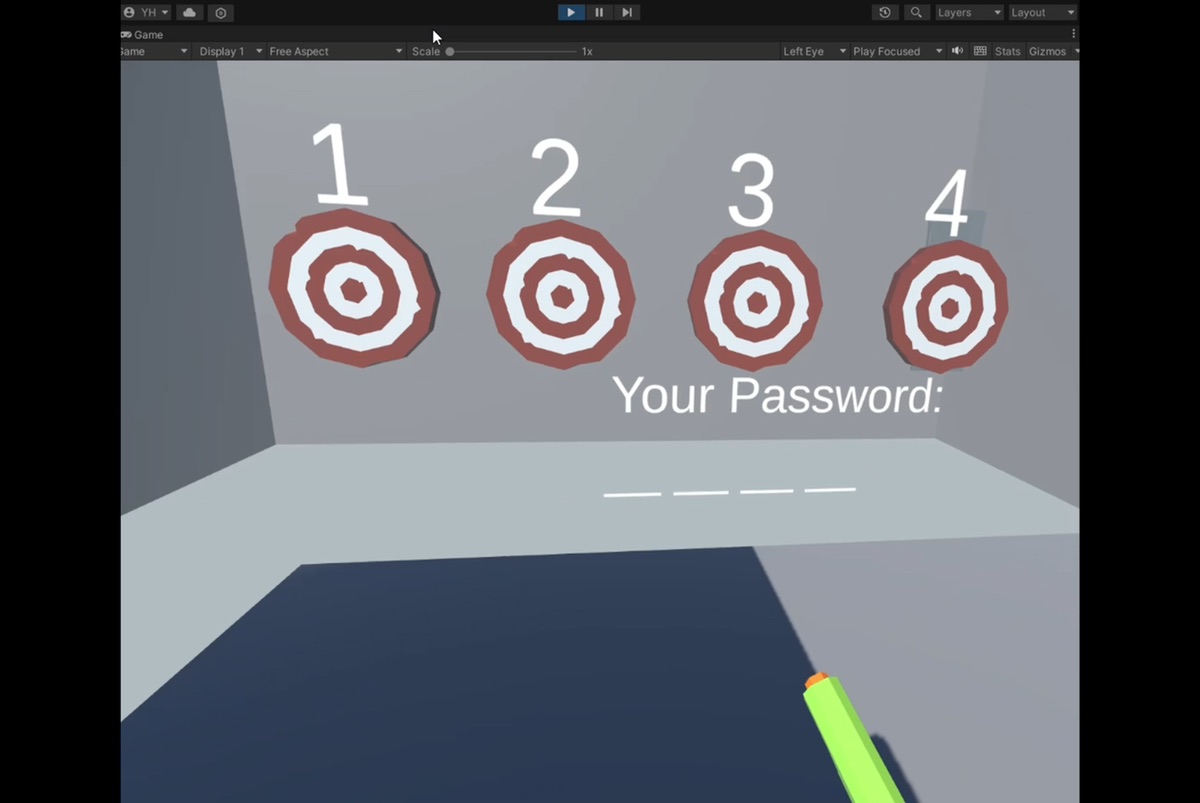
Unity VR prototype: four numbered shooting targets used to enter a password

2024.09 – 2024.11 · Independent researcher · Course project

Interactions as Passwords: Insights from Popular VR Games for Future Authentication Design

Human-Computer InteractionVirtual RealityPrivacy and Security

What if the interactions VR players already know could become passwords? An analysis of 12 popular VR games that distills 20 interactions into five schemes for authentication design.

View details

Work and Entrepreneurship Experience

Show

2026

Entrepreneurship

LudiFocus Inc. · Canada

CEO & Founder

What's new

Selected from 40+ PhD-level projects to receive Seed Funding at ARC's Inaugural Pitch Day, and featured by the David R. Cheriton School of Computer Science. Read the news story

Work

Lumos Health Inc. · Canada

UX Intern · 2026.07 – 2026.11

Enhancing User Experience and Human-Centred Design for Lumos Smart Light Therapy Glasses

Work

Conference Reviewer

Academic service

  • DIS '26ACM Designing Interactive Systems Conference

Teaching

University of Waterloo · Canada

Teaching Assistant

  • GBDA 205Quantitative Methods
  • GBDA 304Marketing in the Digital World

2025

Work

Conference Reviewer

Academic service

  • SOUPS '25Symposium on Usable Privacy and Security

Teaching

University of Waterloo · Canada

Teaching Assistant

  • GBDA 318Advanced User Experience Design and Research
  • CS449/649Human-Computer Interaction
  • GBDA 413Special Topics in Design and Society

2024

Work

Conference Reviewer

Academic service

  • SOUPS '24Symposium on Usable Privacy and Security

Teaching

University of Waterloo · Canada

Teaching Assistant

  • CS115Introduction to Computer Science
  • CS349User Interface

Honors and Awards

  • 2026Academy of Research Commercialization Scholarship$10,000 CAD
  • 2026Velocity Outstanding Validation Award$500 CAD
  • 2026Third Prize, Velocity Future Cities Innovation Challenge$1,500 CAD
  • 2022 – 2024National Entrepreneurship Training Program FundsProject Lead¥20,000
  • 2021 – 2022Provincial University Student Innovation FundsProject Lead¥50,000
  • 2021Provincial First Prize, Science and Technology Innovation CompetitionProject Lead¥10,000
  • 2021Provincial First Prize, Innovation Methods CompetitionProject Lead
  • 2021Provincial First Prize, Mechanical and Electrical Product Design CompetitionProject Lead
  • 2021 – 2023Academic Innovation Excellence Scholarship, Shandong UniversityAwarded three times (2021, 2022, 2023)
  • 2021Innovation and Entrepreneurship Excellence Scholarship, Shandong University

I'm also a designer!!!

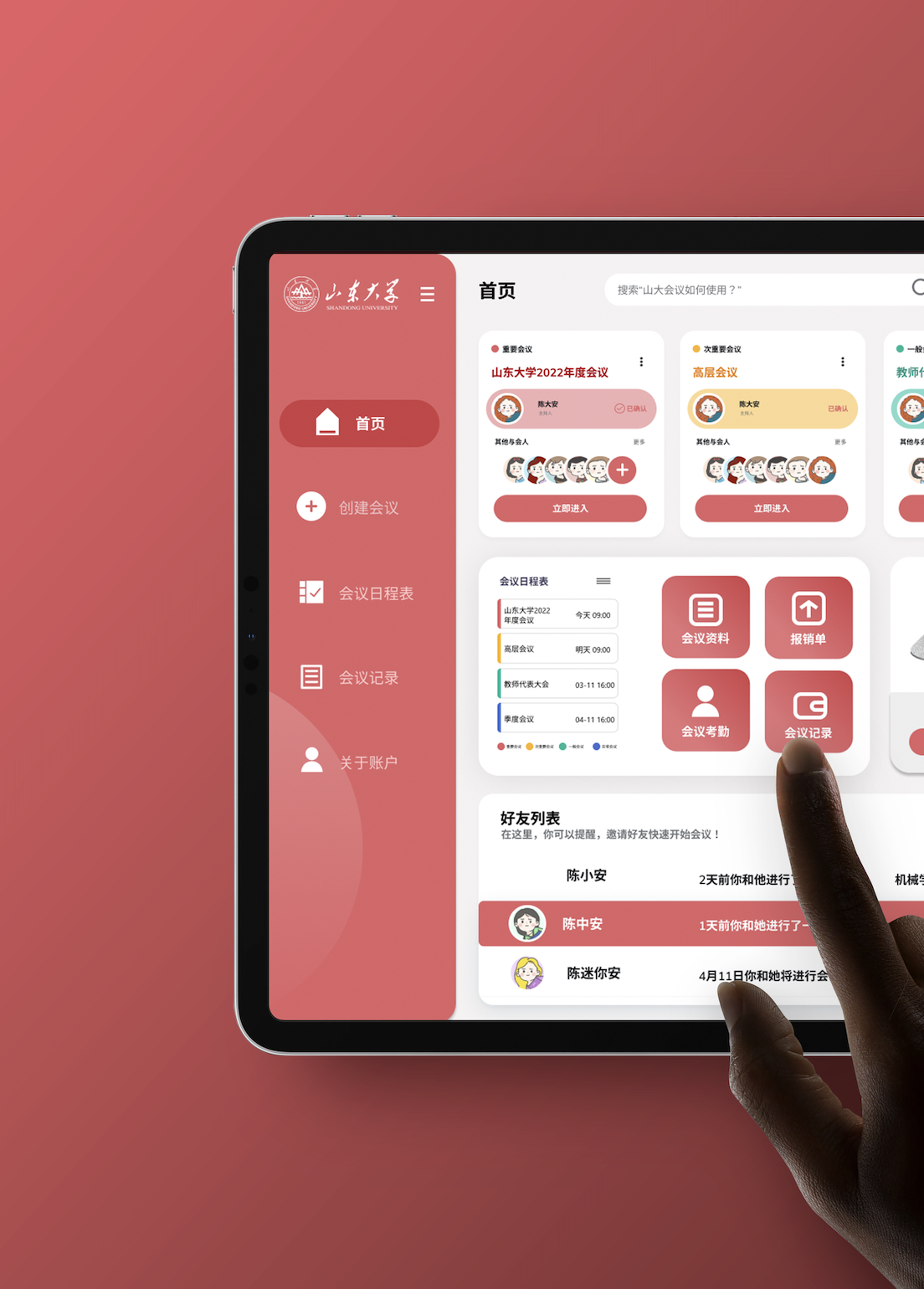
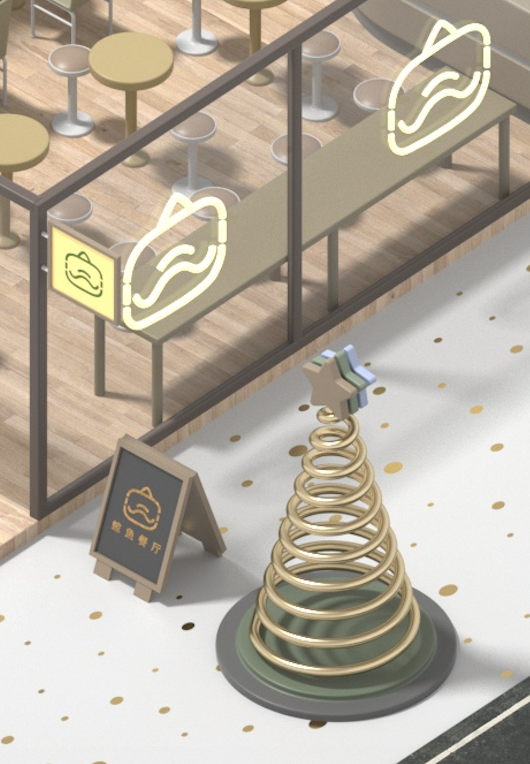
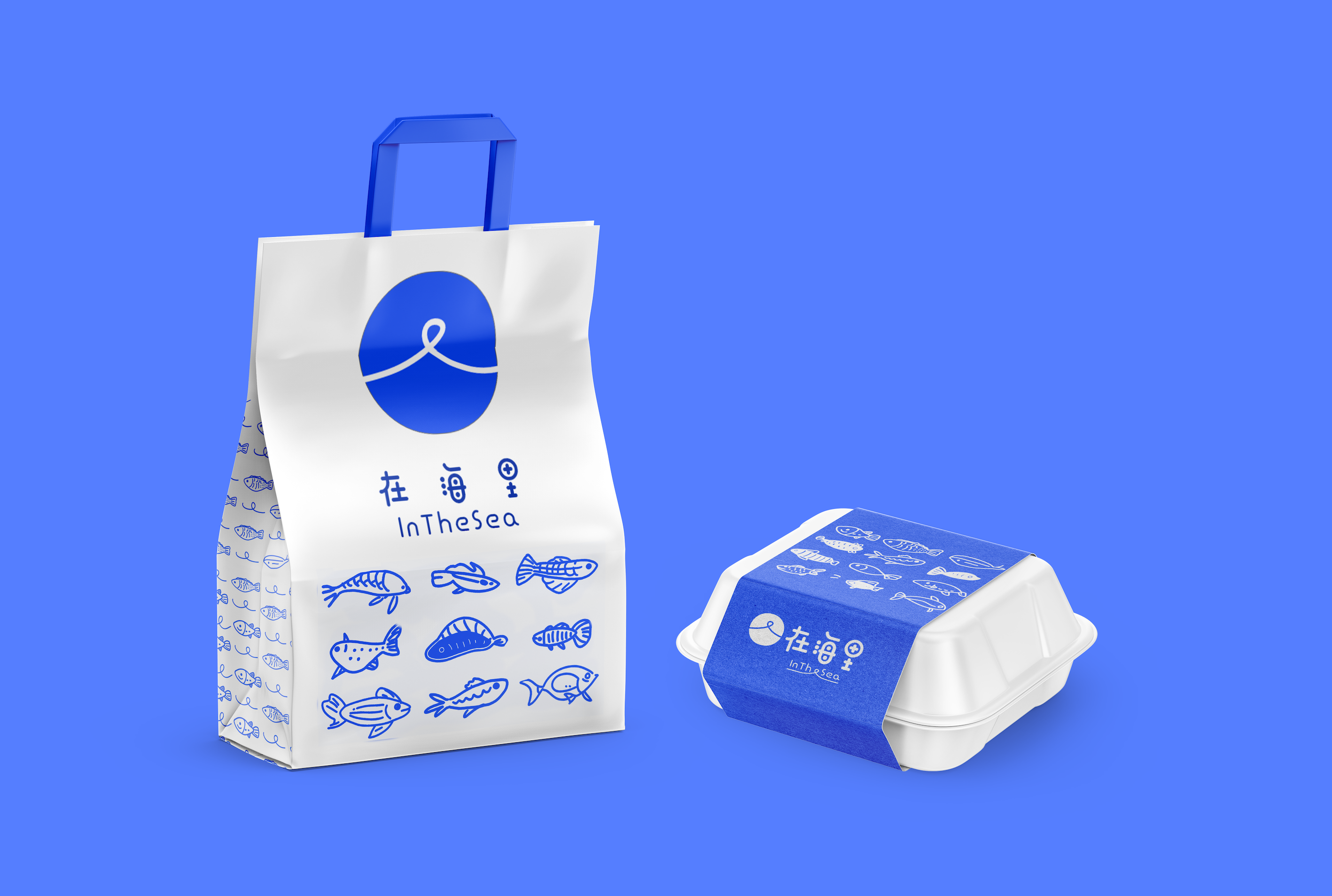
My main focus is interaction design. I love designing all kinds of interactions, from screen-based to tangible and immersive experiences. My work also spans UI (user interface) design, VR (virtual reality) design, CI (Corporate Identity) design, VI (Visual Identity) design, and more. I independently handle every part of the process, from sketches, 3D modeling, and rendering to layout, rapid prototyping, and development.

Part of Design Works

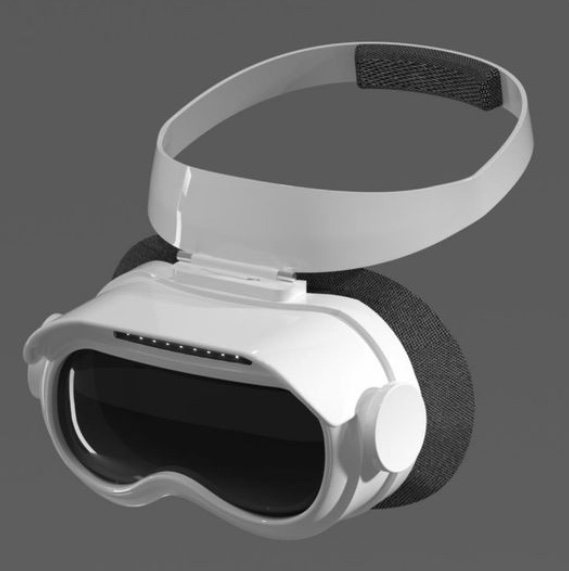
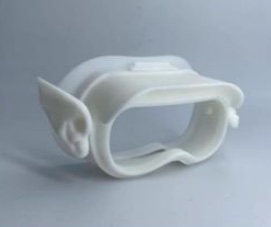
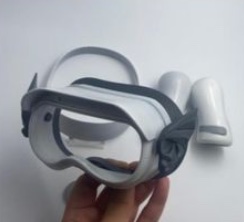
A VR Device Designed for Children

A VR Device Designed for Children

2024|Final Project of Bachelor

VR DesignUser-Centred Design

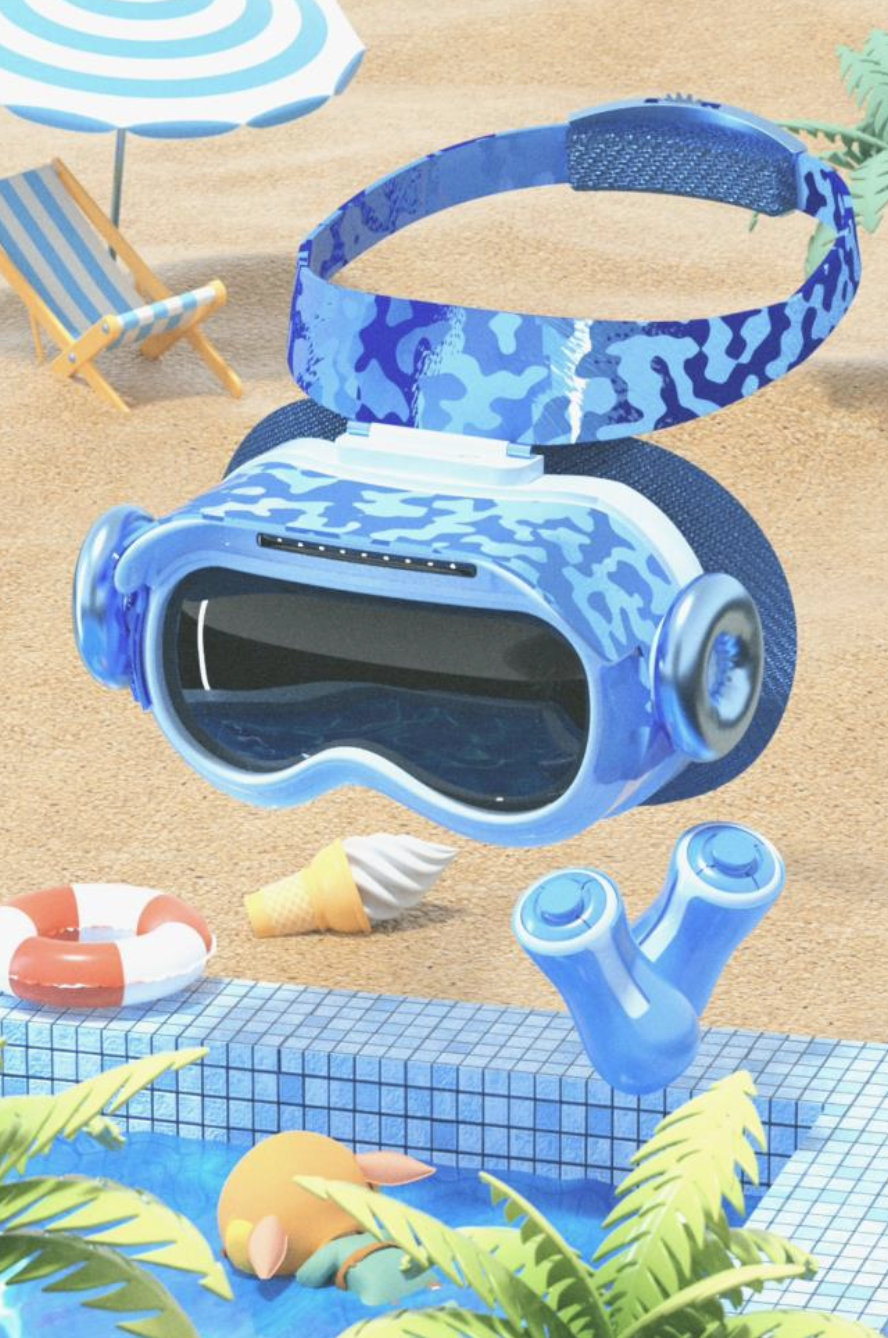
Most current VR headsets are designed with adults in mind, making them heavy and uncomfortable for children. However, recent data shows that children and teenagers are among the primary users of VR devices. This design is based on child ergonomics and psychology to create a VR device specifically tailored for children.

Learn more
A VR Device Designed for Children, detail 1
A VR Device Designed for Children, detail 2
A VR Device Designed for Children, detail 3
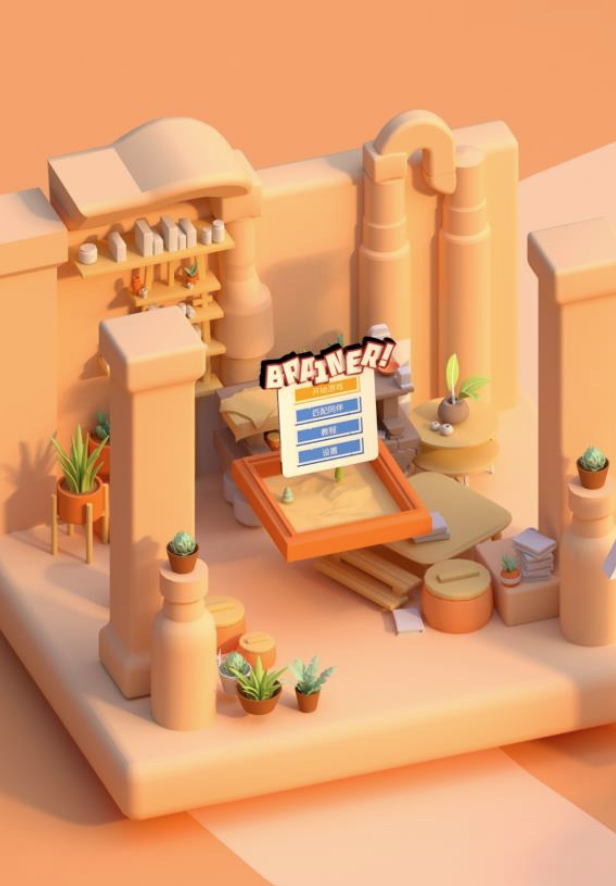
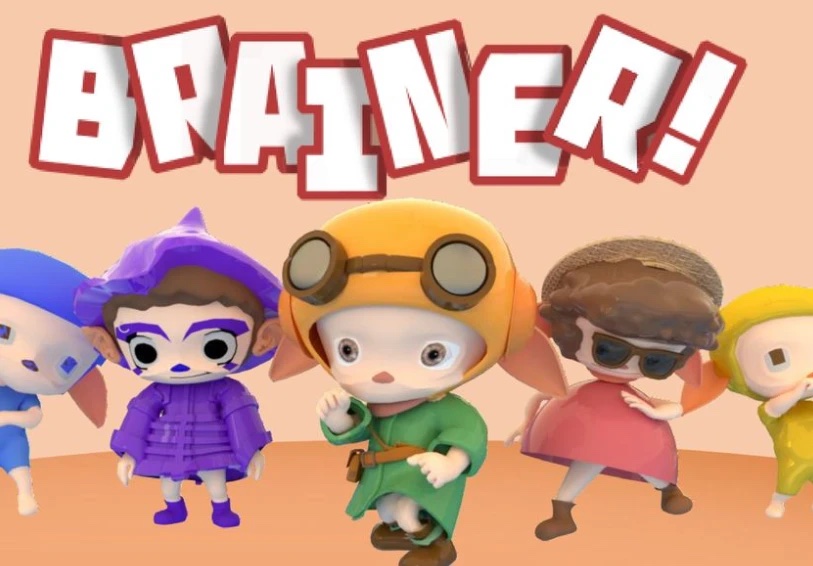
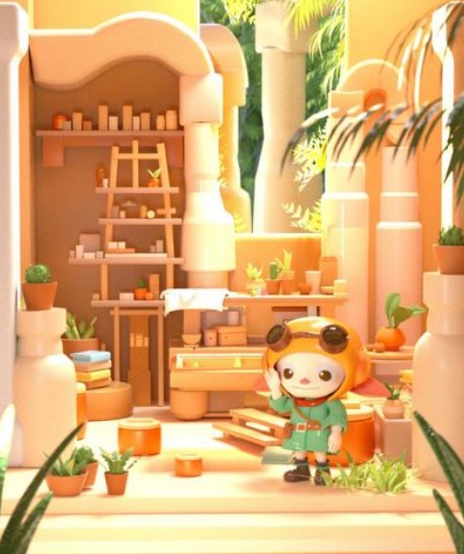
Brainer: VR-BCI Attention Training Game for ADHD Children

Brainer: VR-BCI Attention Training Game for ADHD Children

2024|Final Project of Bachelor

VR DesignUI DesignUser-Centred Design

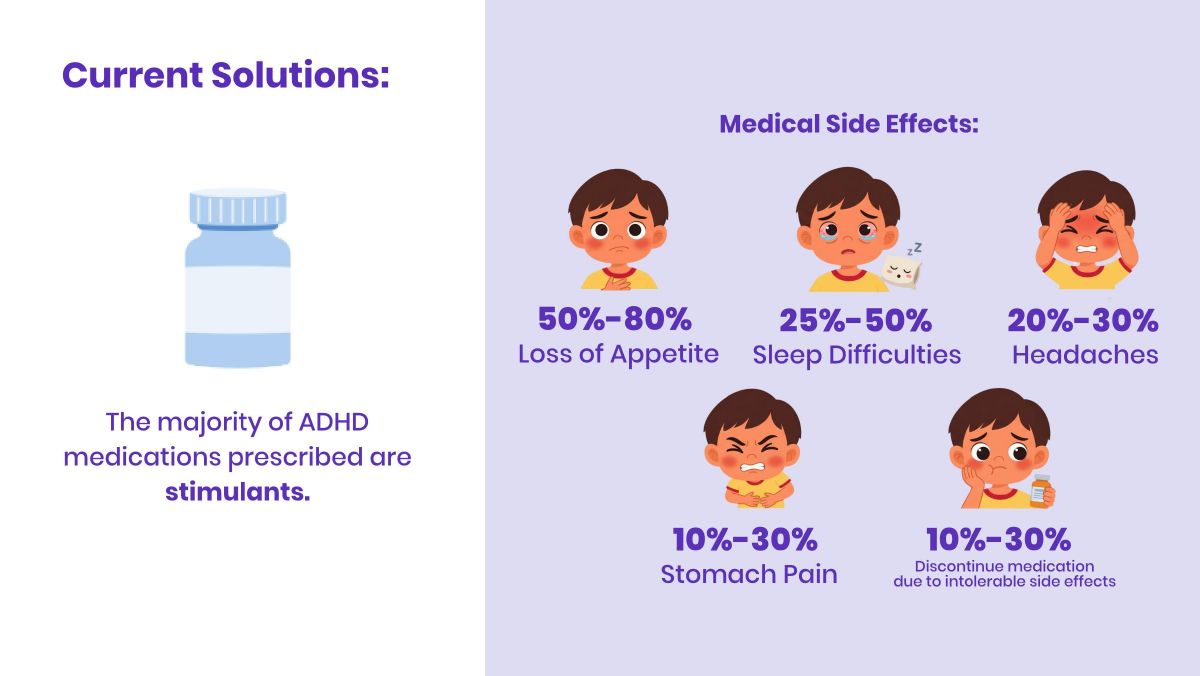
BCI-NF (Brain-Computer Interface Neurofeedback) is a method of attention training for children with ADHD that has gained popularity due to its non-invasive nature and lack of side effects. Traditional BCI-NF games are often monotonous, but the immersive experience provided by VR technology can significantly enhance the training experience for children. This design is based on theories related to game therapy and psychological intervention and uses Unity to develop a VR game.

Learn more
Brainer: VR-BCI Attention Training Game for ADHD Children, detail 2
Brainer: VR-BCI Attention Training Game for ADHD Children, detail 3
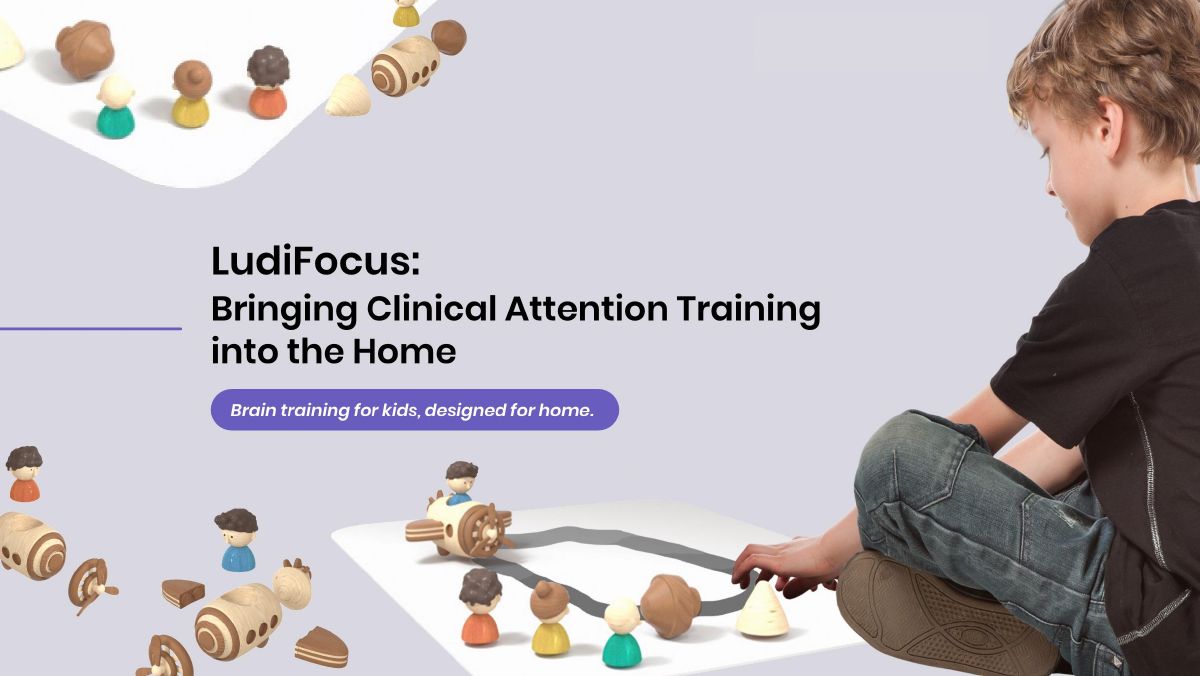
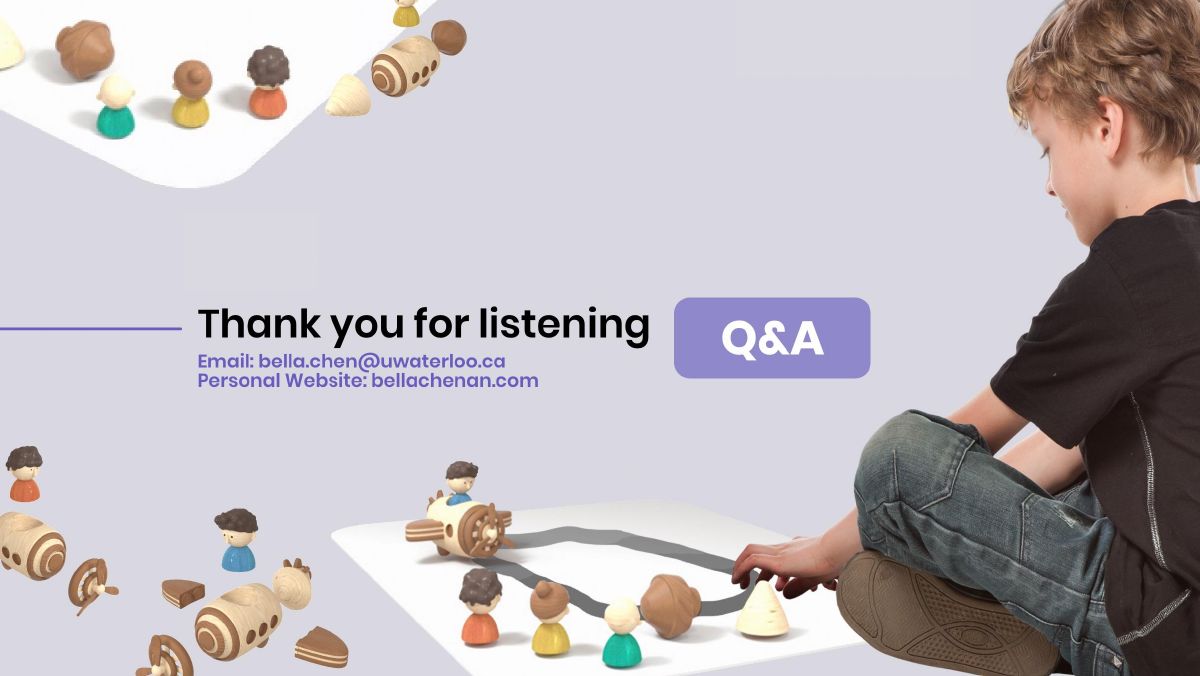
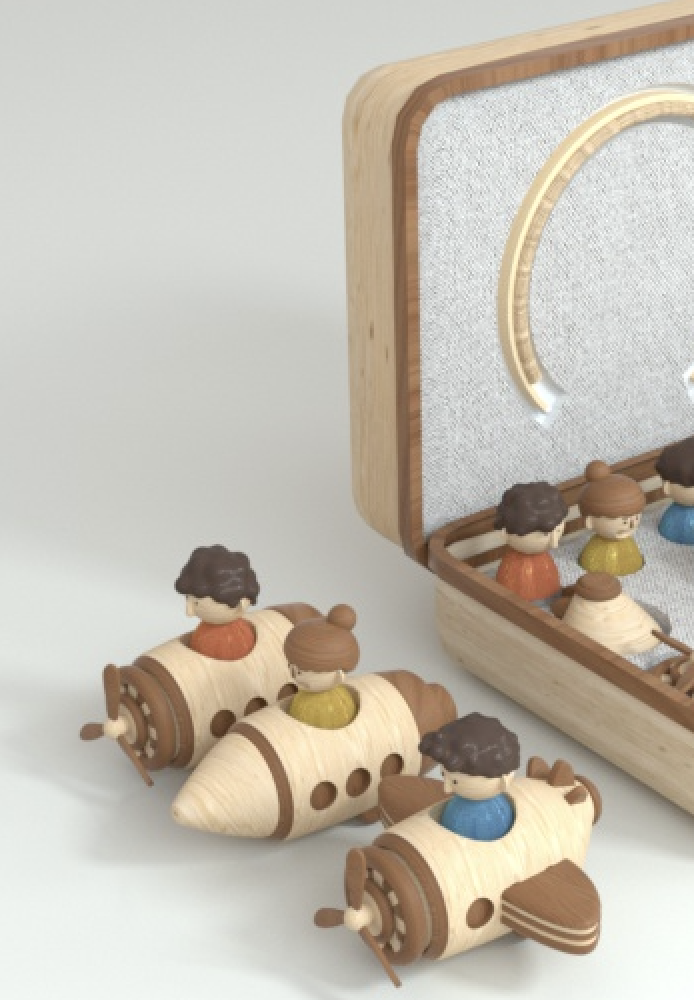
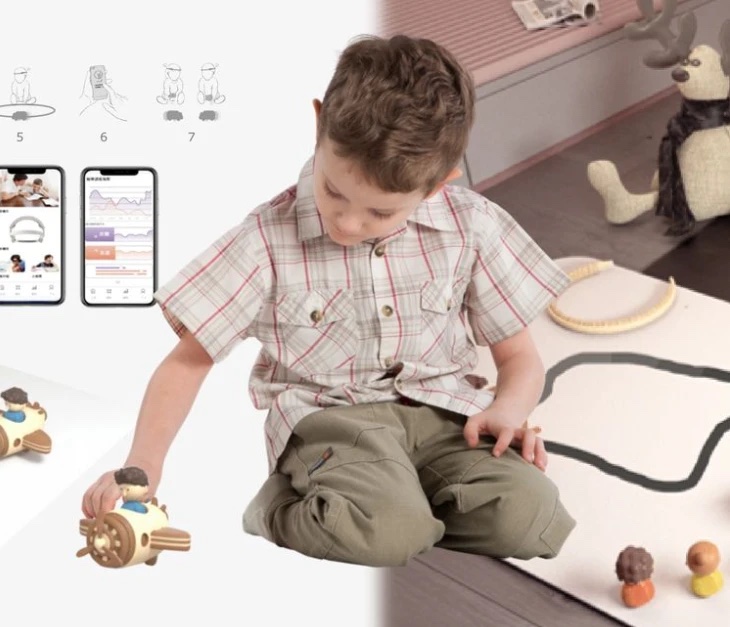
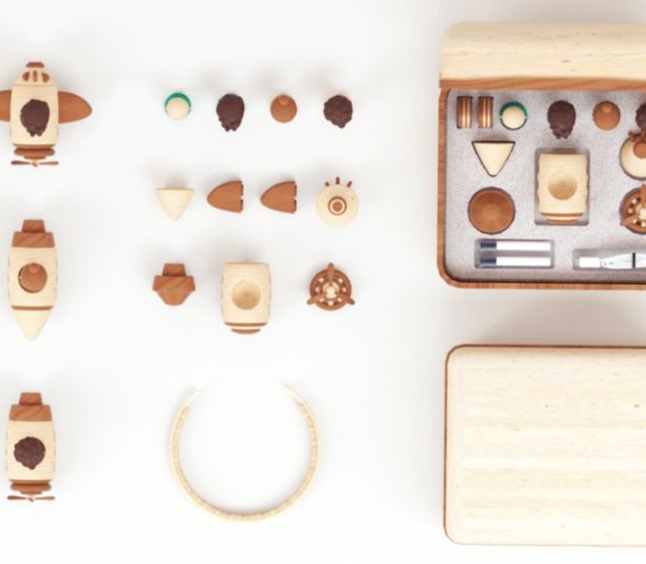
AttentionGo: A Tangible Attention Training Toy for Children

AttentionGo: A Tangible Attention Training Toy for Children

2023

User-Centred DesignVisual Design

Based on my previous research, tangible BCI (Brain-Computer Interface) games activate the human brain more effectively than video games, leading to better therapeutic outcomes. Therefore, I designed a tangible toy for training children's attention. Through modular assembly and combination, the toy stimulates children's motivation to engage in training.

Learn more
AttentionGo: A Tangible Attention Training Toy for Children, detail 1
AttentionGo: A Tangible Attention Training Toy for Children, detail 2
AttentionGo: A Tangible Attention Training Toy for Children, detail 3
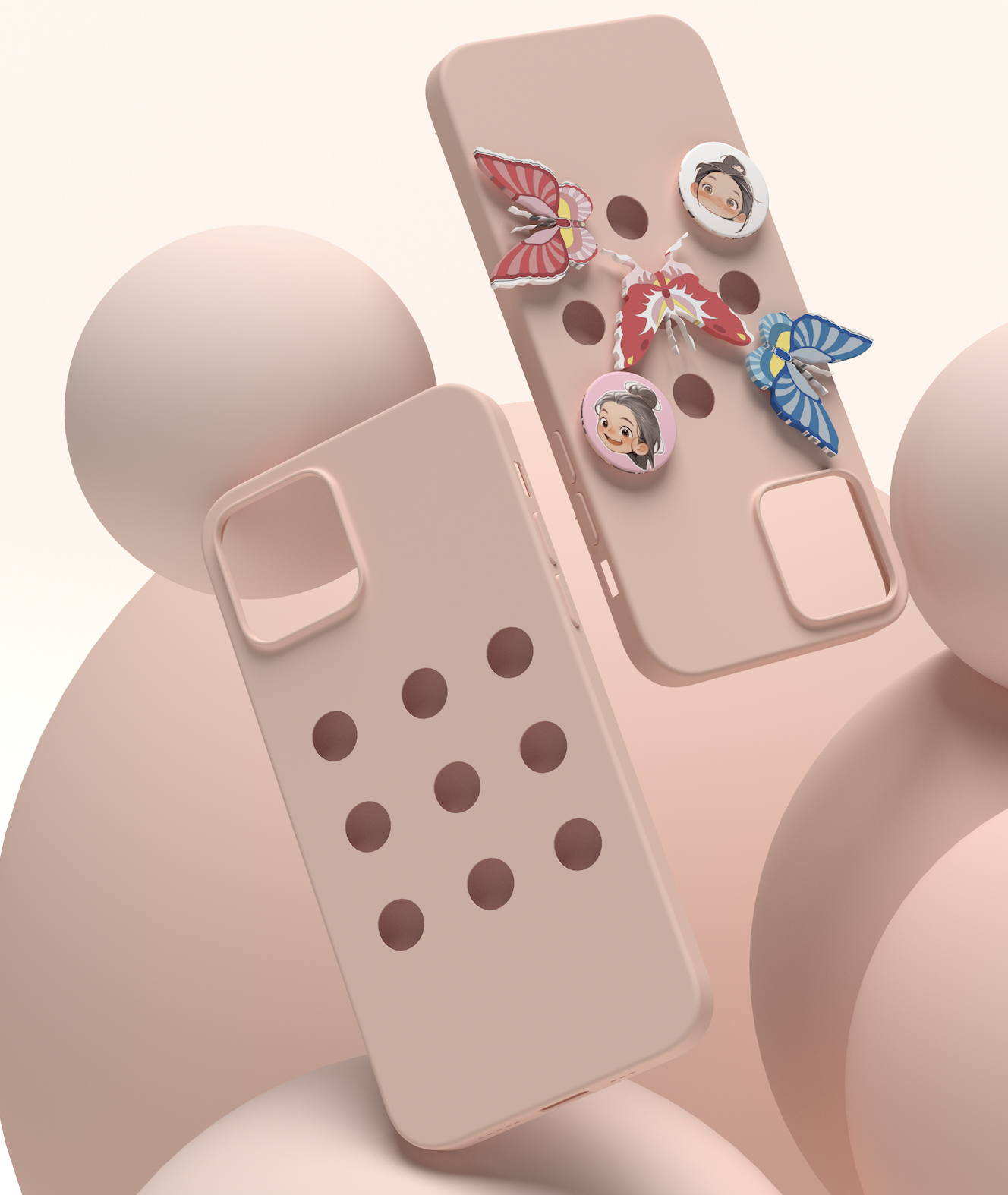
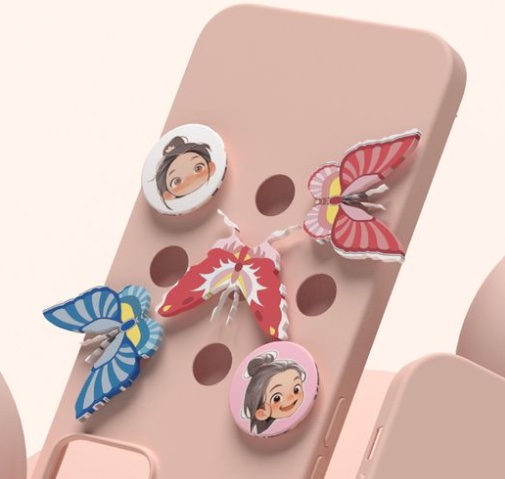
Love Story of Liangzhu

Love Story of Liangzhu

2023

Visual Design

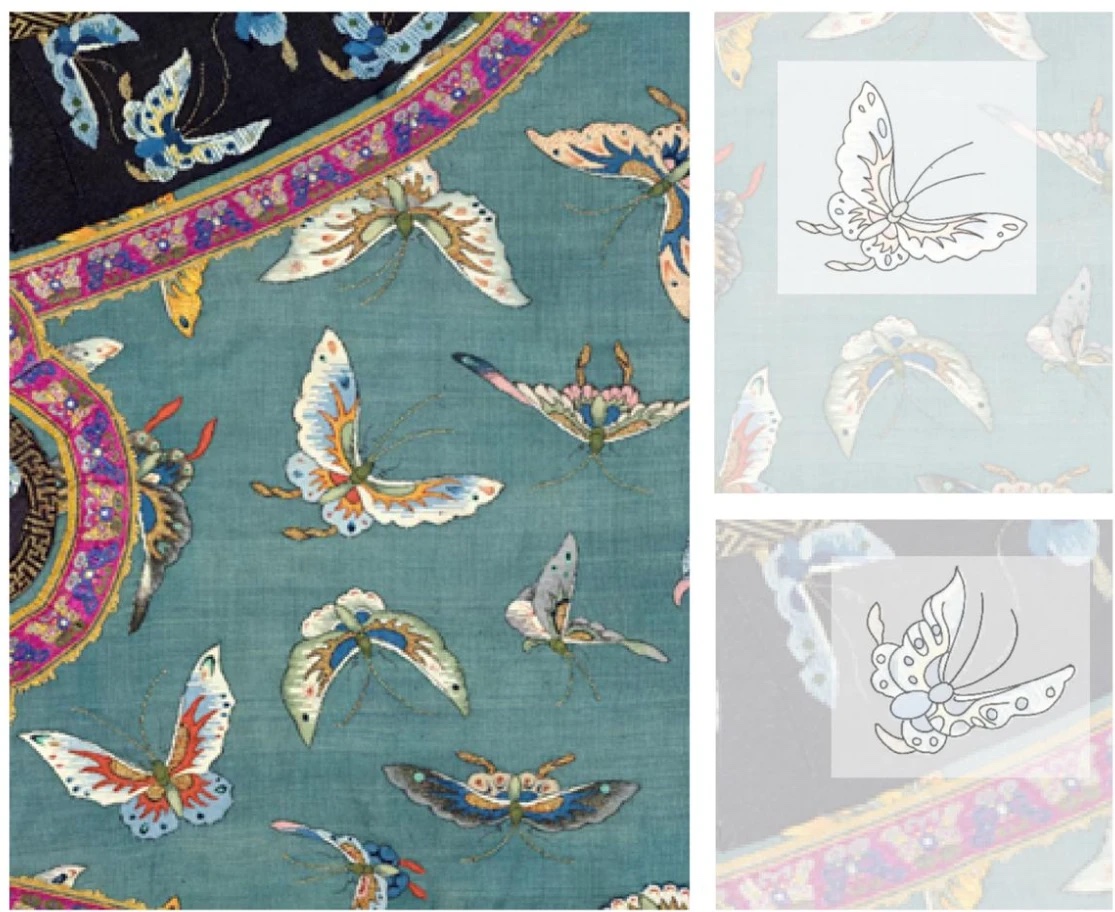
"Liang Zhu" is an ancient Chinese legend that tells the love story of Liang Shanbo and Zhu Yingtai. Due to family obstacles, they could not marry, and ultimately they transformed into butterflies, becoming an eternal symbol of love. Based on this romantic story, I designed a complete set of cultural and creative products with a romantic theme through the analysis of traditional Chinese butterfly patterns.

Learn more
Love Story of Liangzhu, detail 1
Love Story of Liangzhu, detail 2
Love Story of Liangzhu, detail 3

More Designs

See all designs

Bella's Art Works

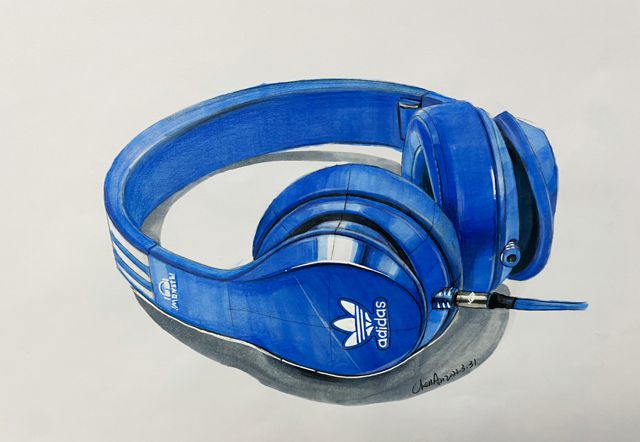
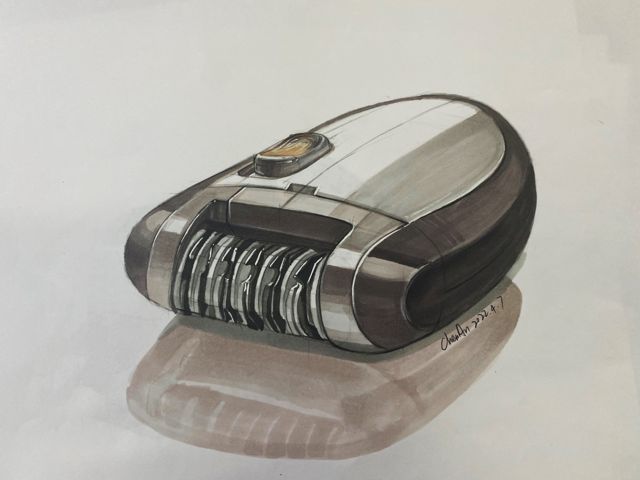
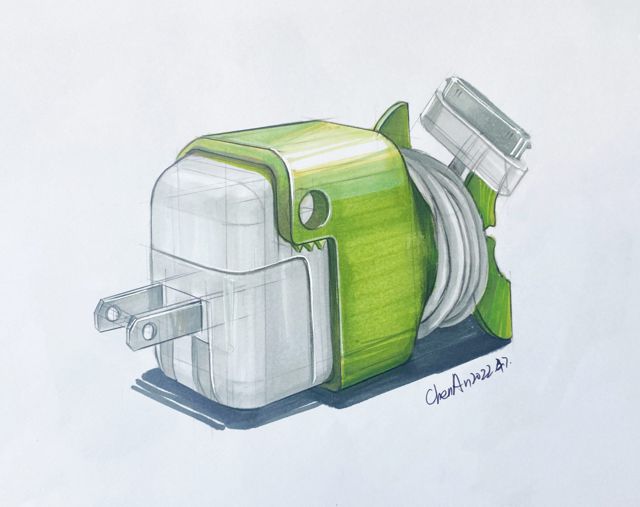
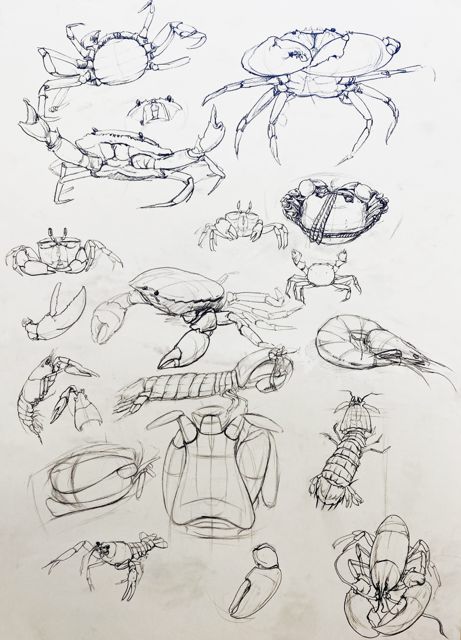
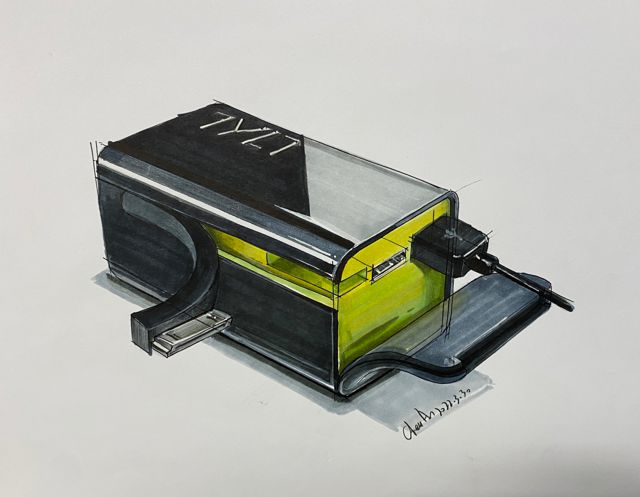
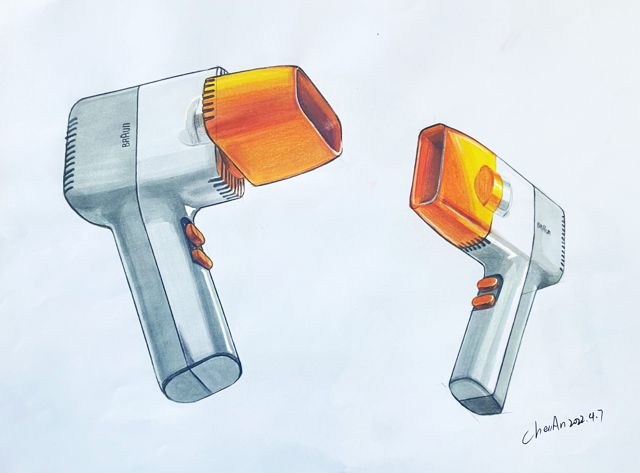
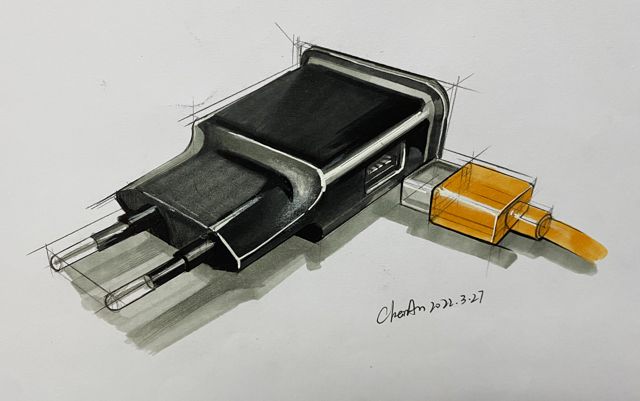
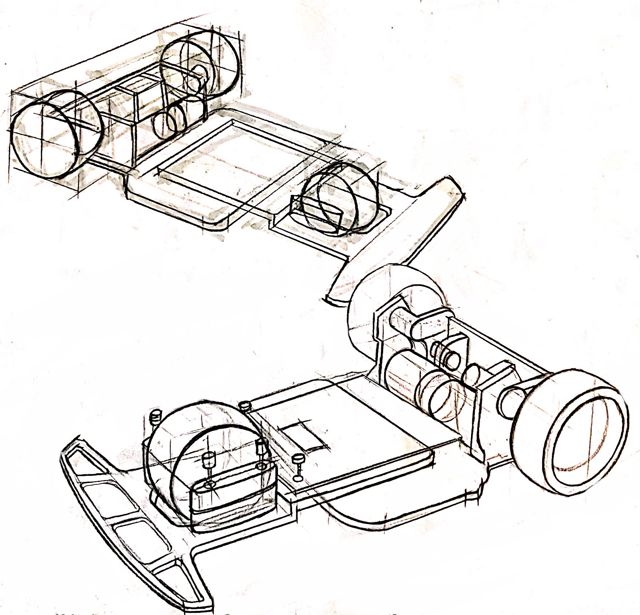
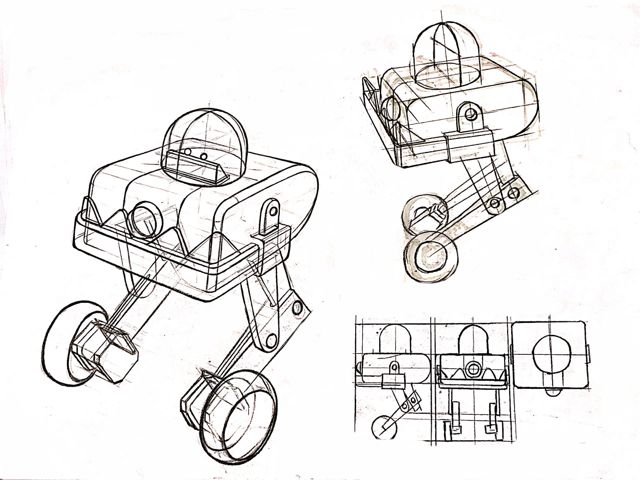
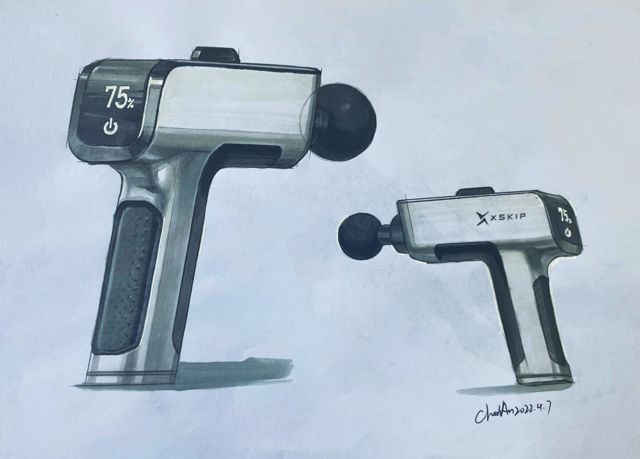
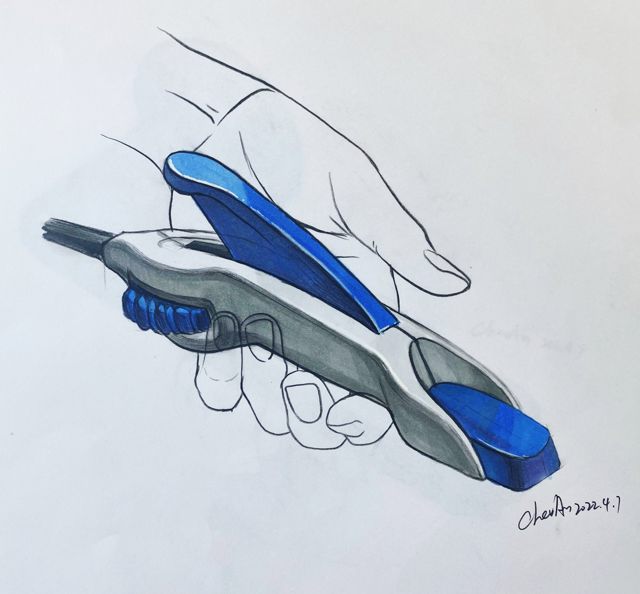
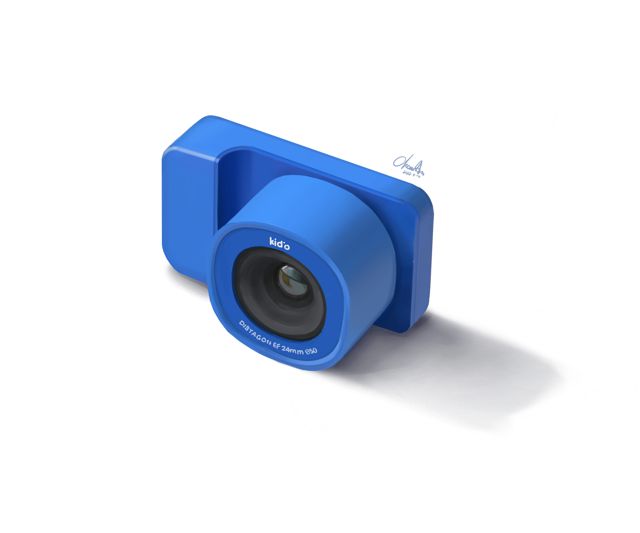
Sketches and drawings made by hand and in Procreate, 2017–2022

Hand-drawn design sketches 11

Digital drawings · Procreate 9

Paintings 5

Skills

Click a dimension or a point on the chart to see the tools I use.

DesignCodingPrototypingMarketingResearch Interaction DesignUI DesignVisual DesignAnimation Design3D Modeling & RenderingVR DesignProgramming LanguagesAI & Machine LearningVR DevelopmentWeb DevelopmentAndroid DevelopmentPhysical ComputingLow-Fidelity PrototypingHigh-Fidelity Interactive PrototypingCode-Based PrototypingPhysical PrototypingElectronic & IoT PrototypingPrototype Evaluation & IterationQualitative MethodsQuantitative MethodsEvaluationAnalysis and SynthesisResearch through DesignCustomer Discovery and ValidationMarket ResearchBusiness Model DesignBrand IdentityPitchingUser Personas and Journey MappingTRIZ Analysis

Dimension

Design